
The Art of Registration:
How Concert Programmes Take Shape
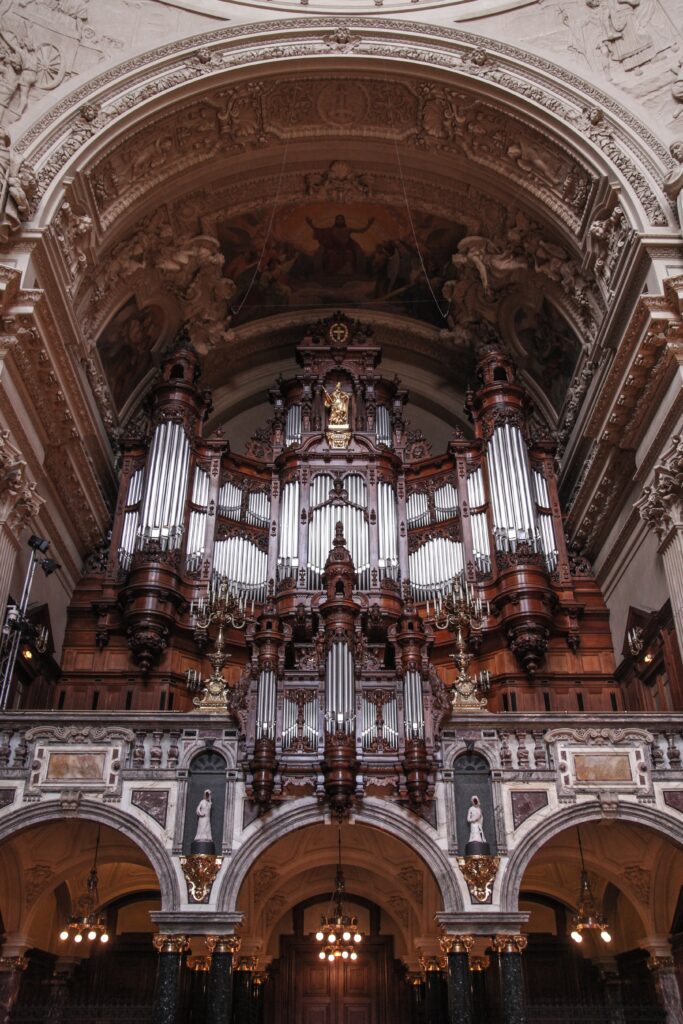
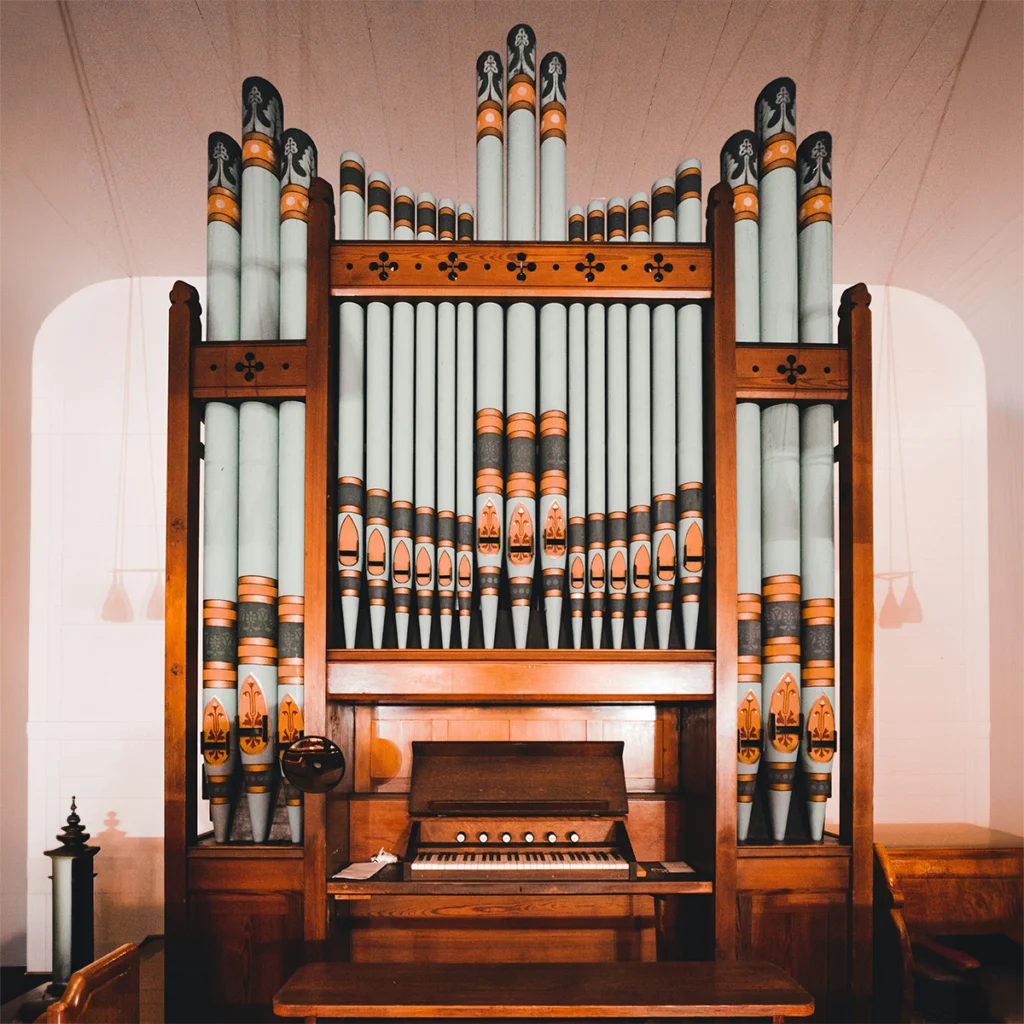
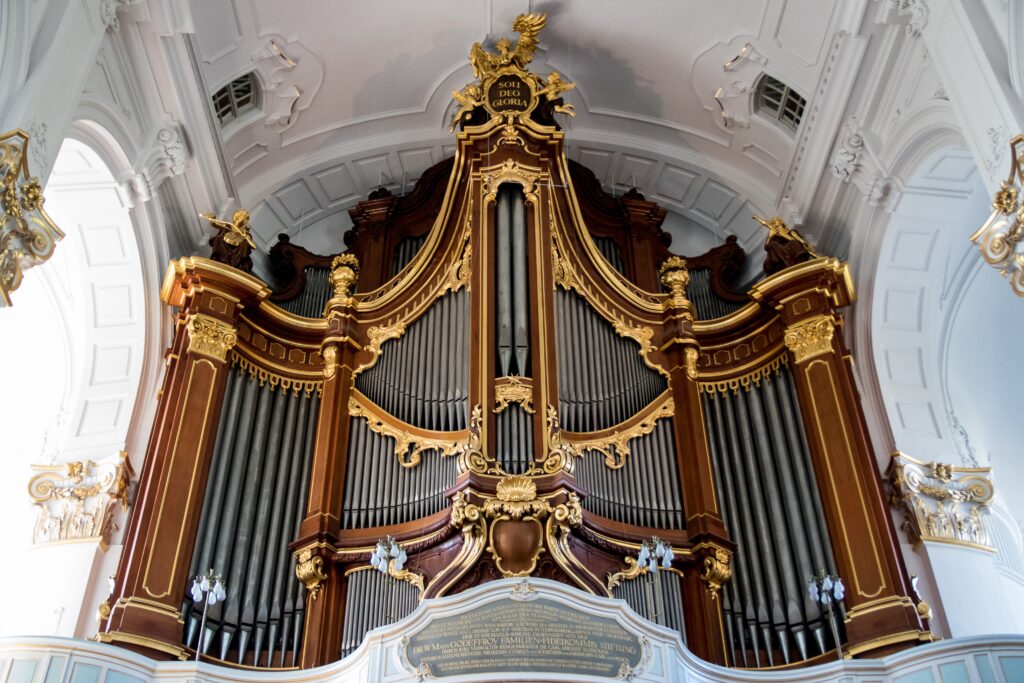
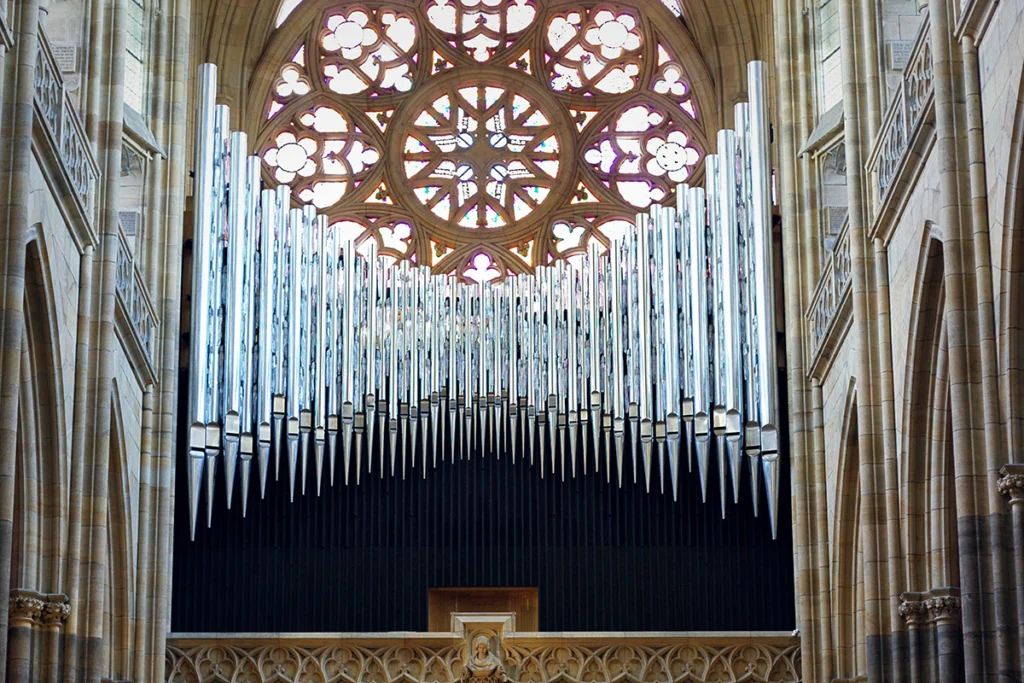
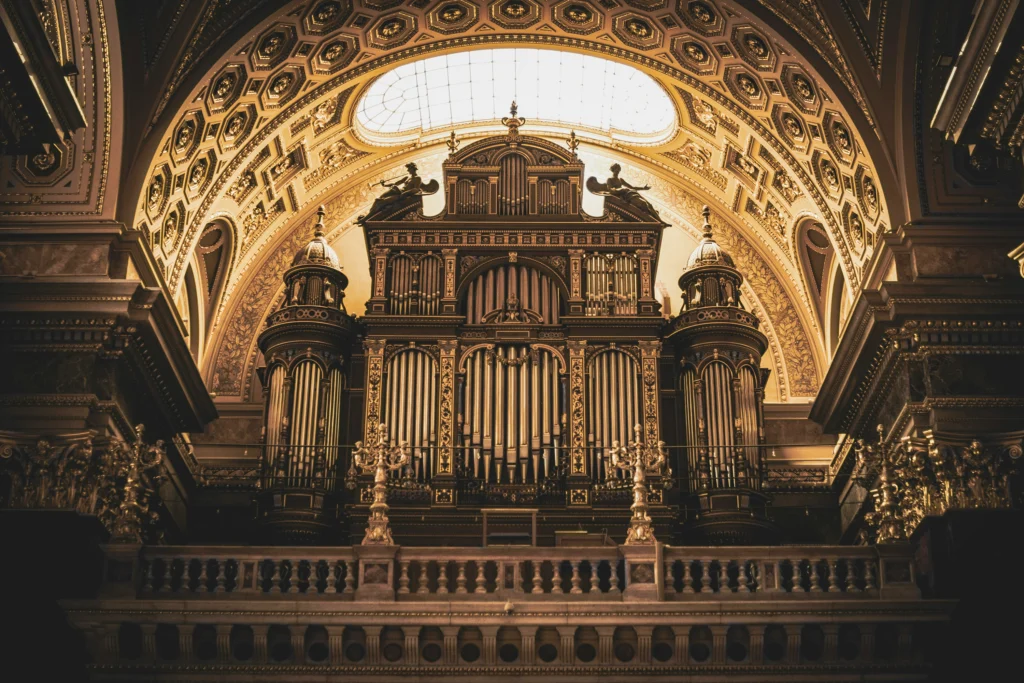
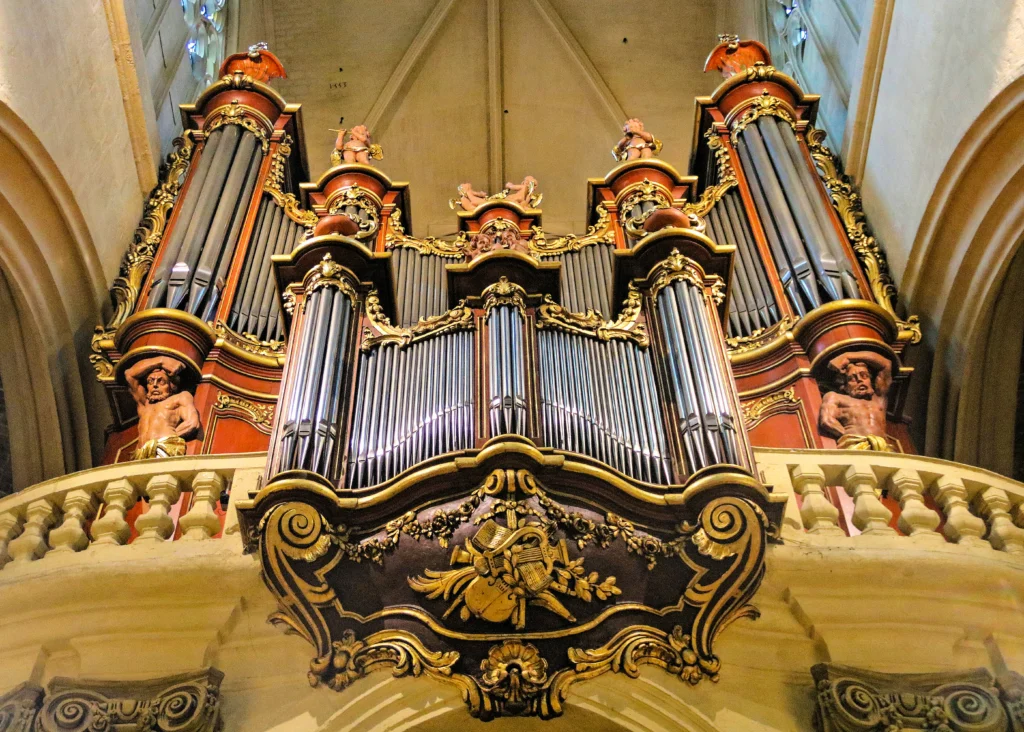
Every single organ is unique, an individual with its own character, strengths and weaknesses. And it is always a witness of a stylistic era, the spirit of the age, the national traditions and preferences of a region.
Being invited to play an unfamiliar instrument, I inform yourself in advance about the aspects of the organ that give an idea of which music can be realized on it. The date of its construction and its builder, any alterations or restorations, the specification (an overview of the available stops), the location – all of these are things that fundamentally determine the tonal character and the stylistic possibilities of an instrument.
The Dialogue between Music and Instrument
The organs themselves are the best teachers for the music of their time and their region – if you listen to them attentively, you can learn a great deal about what makes the music what it is, and how it is to be approached.
The Programme
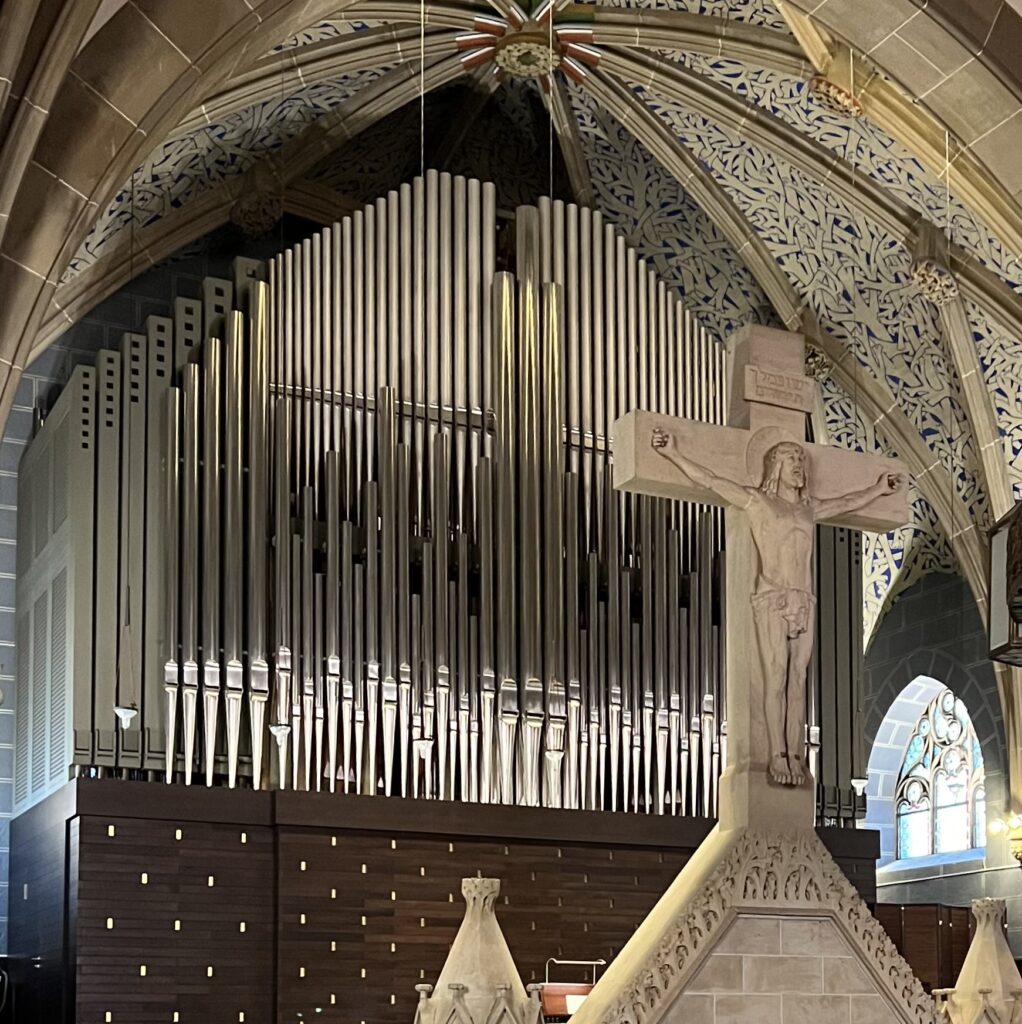
Once the programme is written and the works to be performed in the concert are determined, the exciting moment of getting to know the organ “personally” follows: listening to the individual stops, experimenting, and working out the registration – arranging the rehearsed music for this particular, unique instrument. Every single change of timbre, every step of a crescendo or decrescendo is listened to and fixed individually, so that in the concert it all comes together as a unity.
It therefore goes without saying that I plan each programme individually for the respective organ; stylistically, I take my lead from the possibilities of the organ. Nevertheless, it can of course also be appealing to risk “stylistic crossovers” – to play New Music on Baroque organs, or Baroque music on a late-Romantic instrument. But this only happens when I am certain that I can do so with responsibility to both the music and the instrument, without intervening too fundamentally in its character.
Further Influencing Factors
In addition, factors such as the church year or the general mood of the season play a part in the design of my concert programmes – no one wants to hear a Christmas piece in June – so do the wishes of the organizer regarding a particular theme.
Every programme is therefore, just like the organ on which it is played, a “unique creation” – and I am delighted to be able to put together exciting music on the most varied of themes. In this way I keep getting to know and I discover something new myself all the time.
Quoted in the original German:
Dass aus Blättern voll von Notenzeichen
Hermann Hesse (1877–1962)
solche weitgeschwungenen, geistdurchsonnten,
solche Welt- und Sternenchöre werden konnten,
dass ein Orgelpfeifenchor sie in sich banne,
ist es nicht ein Wunder ohnegleichen?